ETHIOPIA / 16 DAYS · 15 NIGHTS
Birding, wildlife
& photography.
A specialist expedition from Ankober and Awash through the Rift Valley, Borana and Bale Mountains.
Plan this expedition ↗Explore all 16 days ↓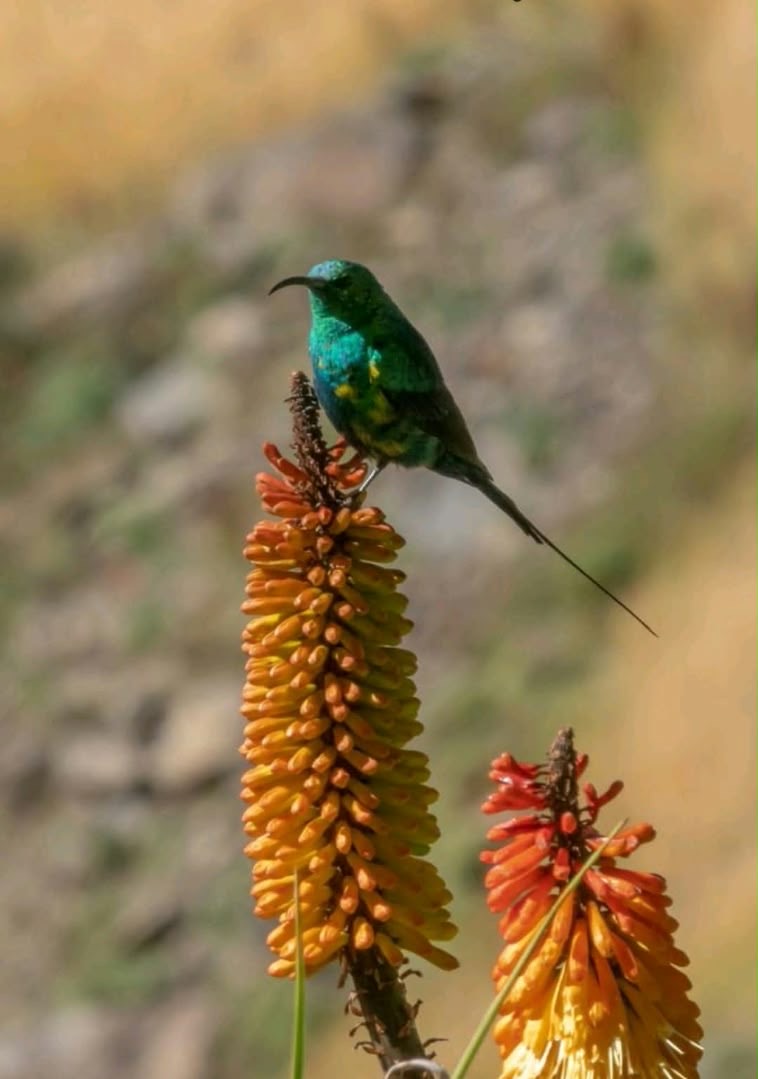
Your proposal confirms access, target species and logistics. Wildlife sightings are never guaranteed.
Photography highlights
From Rift Valley lakes to the Bale highlands, the route crosses wetlands, acacia woodland, forests and Afro-alpine habitats.
- Ethiopian endemic birds
- Ankober Serin, Yellow-fronted Parrot and Abyssinian Catbird.
- Afro-alpine wildlife
- Ethiopian Wolf, Rouget’s Rail and Blue-winged Goose.
- Rift Valley waterbirds
- Great White Pelican, African Fish Eagle and Goliath Heron.
- Forest birds
- Silvery-cheeked Hornbill, Abyssinian Woodpecker and turacos.
- Mammals
- Hamadryas Baboon, Beisa Oryx, Mountain Nyala and Menelik’s Bushbuck.
DAY 01Addis Ababa to Ankober
Destination: Ankober.
Ankober is a historic highland settlement and former royal capital of the Shewan Kingdom. It is particularly important for birdwatchers because of its rare endemic birds and spectacular escarpment scenery overlooking the Afar lowlands.
Altitude: Approximately 2,450–3,400 metres, depending on the birding location.
Weather conditions: Cool to mild during the day, cold in the early morning and evening. Mist and occasional showers can affect visibility.
Birding and photography programme
Afternoon exploration of the escarpment and surrounding highland vegetation.
Search for Ankober Serin along rocky slopes and cliff edges.
Photograph Gelada Baboons feeding on the escarpment.
Scan the skies for large raptors.
Key bird targets
- Ankober Serin (E)
- Yellow-throated Serin (E)
- Ethiopian Siskin (E)
- White-collared Pigeon
- White-winged Cliff-Chat
- Rueppell's Chat
- White-billed Starling
- Thick-billed Raven
- Lammergeier (Bearded Vulture)
- Verreaux's Eagle
- Rufous-breasted Sparrowhawk
Mammals
- Gelada Baboon
- Menelik's Bushbuck
- Rock Hyrax
- Vervet Monkey
- Klipspringer
Photography opportunities: Geladas on cliff edges, endemic finches on rocky outcrops, soaring raptors and dramatic highland landscapes.
Preparation: Bring warm clothing, waterproof jacket, binoculars, spotting scope, telephoto lens (400–600 mm), spare batteries and a tripod or monopod.
Important: Ankober is in the Amhara Region. Check current security and road-access conditions before confirming this section of the expedition.
DAY 02Ankober to Doho Lodge, Awash
Destination: Doho Lodge.
The journey descends from the cool highlands towards the warmer Afar lowlands. The changing vegetation provides excellent roadside birding opportunities.
Doho Lodge is situated near the northern edge of Awash National Park, with natural hot springs, acacia woodland, wetlands and open landscapes.
Altitude: Approximately 900–1,000 metres.
Weather conditions: Hot and dry, with strong sunlight during the day. Mornings and evenings are more comfortable.
Afternoon programme
Arrive and check in.
Explore the lodge surroundings and nearby hot springs.
Photograph birds around the lodge's vegetation and water.
Visit the nearby hyena viewing area, subject to lodge arrangements.
Key bird targets
- Abyssinian Roller
- Abyssinian Ground Hornbill
- Northern Carmine Bee-eater
- White-bellied Go-away-bird
- Somali Ostrich
- Kori Bustard
- Arabian Bustard
- Secretarybird
- Rosy-patched Shrike
- Yellow-throated Seedeater
- Various weavers and sunbirds
Mammals
- Spotted Hyena
- Warthog
- Salt's Dik-dik
- Lesser Kudu
- Beisa Oryx
- Soemmerring's Gazelle
- Hamadryas Baboon in suitable surrounding habitats
Photography: Lodge wildlife, hyenas, dry-country birds, colourful rollers and bee-eaters.
Preparation: Lightweight breathable clothing, hat, sunscreen, insect repellent, drinking water and dust protection for cameras.
DAY 03Full-day birding and wildlife photography at Doho Lodge and Awash National Park
The full Day 3 schedule will be confirmed in your proposal.
Warthog
Spotted Hyena
Jackal
Waterbuck in suitable riverine areas
Crocodiles around the river
Photography priorities: Secretarybird hunting, bustards walking through grassland, antelope portraits, ground hornbills, crocodiles and riverine birds.
Equipment: 500–600 mm telephoto lens, beanbag for vehicle photography, 100–400 mm zoom, camera beanbag, polarising filter and dust-resistant camera covers.
Doho Lodge advertises game drives towards Awash and Allideghe-Assebot, with some wildlife-viewing areas approximately 45–60 km from the lodge.
DAY 04Doho Lodge to Ziway
Travel south towards the Central Rift Valley. The route offers opportunities for roadside birding, particularly around cultivated land, wetlands and water bodies.
Altitude: Approximately 1,636 metres.
Weather: Generally warm during the day, with cooler mornings and evenings. Rainfall is seasonal.
Afternoon birding
Explore the lakeshore.
Visit suitable wetland habitats.
Consider a short boat excursion if conditions permit.
Photograph waterbirds before sunset.
Key bird targets:
- Great White Pelican
- African Fish Eagle
- Goliath Heron
- Grey Heron
- African Jacana
- African Spoonbill
- Yellow-billed Stork
- Pink-backed Pelican
- African Sacred Ibis
- Black-winged Stilt
- Various cormorants and kingfishers
Mammals:
- Hippopotamus
- Vervet Monkey
- Banded Mongoose
- Water-associated mammals where present
Photography priorities: Pelicans in flight, fish eagles hunting, hippos surfacing, herons feeding and reflections at sunset.
Preparation: Polarising filter, long lens, binoculars, hat and drinking water.
DAY 05Ziway to Lake Langano
Destination: Lake Langano.
Langano is an excellent destination for woodland and lake-associated bird photography. Its acacia woodland, riverine vegetation, lakeshore and nearby dry bushland provide diverse habitats.
Altitude: Approximately 1,585 metres.
Weather: Warm to hot days, mild evenings and cooler early mornings. Seasonal rainfall can occur.
Birding programme:
Explore the lakeshore and surrounding woodland.
Search fruiting trees for parrots and other frugivorous birds.
Photograph birds visiting flowering trees and water sources.
Explore suitable woodland tracks during the afternoon.
Key bird targets
- Yellow-fronted Parrot (E)
- Black-winged Lovebird (E)
- White-cheeked Turaco
- Hemprich's Hornbill
- Silvery-cheeked Hornbill
- Grey-headed Kingfisher
- Black-billed Barbet
- Banded Barbet
- Black-headed Batis
- African Paradise Flycatcher
- Beautiful Sunbird
- Eastern Plantain-eater
- Abyssinian Scimitarbill
Mammals
- Vervet Monkey
- Olive Baboon
- Warthog
- Bushbuck
- Guenther's Dik-dik
Photography priorities: Parrots feeding in fruiting trees, turacos, hornbills, sunbirds and woodland mammals.
Preparation: Telephoto lens, flash diffuser for woodland photography, binoculars, insect repellent and comfortable walking shoes.
DAY 06Full-day birding and wildlife photography around Langano
Today is dedicated to intensive bird twitching and photography rather than long-distance driving.
Morning: 06:00–11:00
Visit productive woodland edges.
Search for Yellow-fronted Parrot and Black-winged Lovebird.
Photograph hornbills and turacos.
Explore acacia woodland for shrikes, rollers and barbets.
Midday: 11:00–15:00
Return to accommodation for lunch and rest.
Review photographs and prepare equipment.
Afternoon: 15:00–18:00
Explore lakeside vegetation.
Search for waterbirds and raptors.
Photograph birds returning to roosting trees.
Additional bird targets
- African Pygmy Kingfisher
- Grey-headed Kingfisher
- Red-fronted Barbet
- White-browed Coucal
- African Grey Hornbill
- Greyish Eagle-Owl
- Verreaux's Eagle-Owl
- Black-shouldered Kite
- African Harrier-Hawk
- Nubian Woodpecker
Mammals: Bushbuck, Vervet Monkey, Olive Baboon, Warthog and Guenther's Dik-dik.
Special photography opportunity: Spend time at suitable fruiting trees, where repeated visits by parrots, turacos and hornbills can produce excellent photographs.
DAY 07Langano to Wondo Genet
Destination: Wondo Genet.
Wondo Genet is one of the most attractive forest birding destinations in southern Ethiopia. Its natural forest, dense vegetation, flowering plants, streams and surrounding agricultural landscapes support a variety of woodland and forest birds.
Altitude: Approximately 1,700–2,600 metres, depending on the forest trail and surrounding slopes.
Weather: Generally mild to warm, with cooler mornings and evenings. Forest areas are humid, and rain can occur even when nearby lowlands are dry.
Afternoon programme
Explore forest trails and woodland edges.
Search for turacos, hornbills and sunbirds.
Photograph birds in the flowering vegetation.
Visit the hot springs if time permits.
Key bird targets
- Silvery-cheeked Hornbill
- White-cheeked Turaco
- Rüppell's Robin-Chat
- Abyssinian Woodpecker
- Abyssinian Slaty-Flycatcher
- African Hill Babbler
- African Dusky Flycatcher
- Tacazze Sunbird
- Variable Sunbird
- Narina Trogon
- Tambourine Dove
- Lemon Dove
- Emerald Cuckoo
Mammals
- Colobus Monkey
- Vervet Monkey
- Olive Baboon
- Bushbuck
- Guenther's Dik-dik
Photography priorities: Forest canopy birds, hornbills, turacos, sunbirds, monkeys and woodland details.
Preparation: Waterproof jacket, walking shoes with good grip, insect repellent, 300–600 mm telephoto lens and a smaller lens for forest landscapes.
DAY 08Full-day birding at Wondo Genet
A full day dedicated to forest bird photography and woodland mammal observation.
Morning:
Start at first light.
Explore forest edges and shaded trails.
Look for Narina Trogon and Emerald Cuckoo.
Search for woodpeckers and forest flycatchers.
Midday:
Rest and have lunch.
Photograph birds around open forest clearings and flowering trees.
Afternoon:
Explore quieter forest sections.
Look for monkeys and forest mammals.
Search for owls and other nocturnal birds before dusk, with a local guide.
Additional bird targets
- African Goshawk
- Mountain Buzzard
- Abyssinian Crimsonwing
- White-backed Black Tit
- Yellow-whiskered Greenbul
- Olive Sunbird
- African Olive Pigeon
- African Black Duck in suitable streams
Special photography opportunities: Colobus monkeys moving through the canopy, sunbirds feeding on flowers, hornbills in fruiting trees and forest birds in natural light.
What to bring: Tripod or monopod, camera rain cover, spare memory cards, binoculars, headlamp and warm evening clothing.
DAY 09Wondo Genet to Hawassa
Destination: Hawassa.
Hawassa is an important Rift Valley birding destination, particularly for waterbirds and lakeside wildlife photography. Lake Hawassa offers opportunities for photographing pelicans, fish eagles, herons, cormorants and hippos.
Altitude: Approximately 1,680 metres.
Weather: Warm and generally pleasant, with cooler mornings and evenings. Conditions around the lake can be humid.
Birding programme
Visit Amora Gedel and the lakeshore.
Photograph pelicans and waterbirds.
Search for African Fish Eagle and Goliath Heron.
Explore the lake's quieter sections.
Consider a short boat trip if conditions permit.
Key bird targets
- Great White Pelican
- Pink-backed Pelican
- African Fish Eagle
- Goliath Heron
- Grey Heron
- Black-headed Heron
- African Jacana
- African Pygmy Goose
- Yellow-billed Stork
- Reed Cormorant
- Great Cormorant
- White-breasted Cormorant
- Pied Kingfisher
- Malachite Kingfisher
Mammals:
- Hippopotamus
- Vervet Monkey
- Olive Baboon
- Guenther's Dik-dik
Photography: Pelicans in flight, fish eagles hunting, hippos surfacing, herons feeding and lakeside portraits.
Preparation: Long telephoto lens, polarising filter, binoculars, camera beanbag and sun protection.
DAY 10Hawassa to Yabelo
Destination: Yabelo.
The journey takes you into the Borana landscape, where open acacia savanna, thorn scrub, dry grasslands and scattered woodland create a very different environment from the northern highlands and Rift Valley.
Yabelo is one of Ethiopia's most important birding destinations because it is home to the globally restricted Stresemann's Bush-crow and White-tailed Swallow.
Altitude: Approximately 1,700–1,800 metres.
Weather: Generally warm and dry, with cooler mornings and evenings. Rainfall is seasonal and can make some dirt roads difficult.
Look for raptors and dry-country mammals.
Key bird targets
- Stresemann's Bush-crow (E)
- White-tailed Swallow (E)
- Black-capped Social Weaver
- Black-faced Sandgrouse
- Vulturine Guineafowl
- Donaldson Smith's Sparrow-Weaver
- Red-fronted Warbler
- Pringle's Puffback
- Rosy-patched Shrike
- Somali Courser
- Short-tailed Lark
- Black-bellied Sunbird
- Somali Crombec
Mammals
- Beisa Oryx
- Gerenuk
- Guenther's Dik-dik
- Greater Kudu
- Lesser Kudu
- Grant's Gazelle
- Soemmerring's Gazelle
- Warthog
- Common Warthog and other savanna mammals
Photography priorities: Stresemann's Bush-crow, White-tailed Swallow, guineafowl, oryx and gazelles.
Preparation: Dust protection, lightweight clothing, sunscreen, long telephoto lens, binoculars, spare batteries and plenty of drinking water.
DAY 11Full-day Yabelo and Mega birding expedition
This day is especially important for endemic bird twitching and mammal photography.
Morning: Yabelo–Mega road
Explore the open acacia savanna between Yabelo and Mega. This is the primary target area for Stresemann's Bush-crow and White-tailed Swallow.
Afternoon: Borana woodland
Search for additional dry-country birds and mammals. If road and access conditions allow, consider a longer excursion towards Arero forest for Prince Ruspoli's Turaco.
Key bird targets
- Stresemann's Bush-crow
- White-tailed Swallow
- Prince Ruspoli's Turaco
- Black-capped Social Weaver
- Vulturine Guineafowl
- Black-faced Sandgrouse
- Red-fronted Warbler
- Donaldson Smith's Sparrow-Weaver
- Somali Courser
- Somali Bunting
- Somali Crombec
- Black-bellied Sunbird
Mammals
- Beisa Oryx
- Gerenuk
- Greater Kudu
- Lesser Kudu
- Grant's Gazelle
- Soemmerring's Gazelle
- Guenther's Dik-dik
- Warthog
Photography priorities: Endemic bush-crows feeding on the ground, swallows on low perches, turacos in forest vegetation, guineafowl groups and antelope portraits.
Important: Prince Ruspoli's Turaco is a special additional target rather than a guaranteed Yabelo roadside species. Arero is a separate forest excursion and requires additional driving time.
DAY 12Yabelo to Hawassa
Return north towards Hawassa, with selected birding and photography stops along the way.
Altitude: Yabelo approximately 1,750 metres; Hawassa approximately 1,680 metres.
Weather: Warm and generally pleasant, with cooler early mornings.
Birding and photography opportunities
Revisit any productive birding locations missed on the outbound journey.
Look for roadside raptors, rollers and shrikes.
Photograph birds around suitable agricultural and wetland habitats.
Arrive in Hawassa with enough time for an evening lakeside session.
Key bird targets
- Abyssinian Roller
- Lilac-breasted Roller
- Grey-headed Kingfisher
- Black-winged Lovebird where habitat permits
- African Fish Eagle
- Great White Pelican
- Goliath Heron
- African Jacana
- Yellow-billed Stork
- Pied Kingfisher
Mammals
- Vervet Monkey
- Olive Baboon
- Warthog
- Hippopotamus around Lake Hawassa
Photography priorities: Roadside bird portraits, raptors, pelicans, hippos and the sunset over Lake Hawassa.
Preparation: Keep cameras accessible, carry drinking water and avoid leaving wildlife photography until after dark.
DAY 13Hawassa to Bale Mountains National Park
Destination: Bale Mountains National Park.
The Bale Mountains are among Africa's most important high-altitude wildlife destinations. They feature Afro-alpine grasslands, moorlands, mountain forests, giant lobelia vegetation and the extensive Harenna Forest.
The park is particularly famous for the Ethiopian Wolf, Mountain Nyala and other endemic highland wildlife.
Altitude: Approximately 2,400–4,377 metres across the park.
Weather: Cool to cold, particularly in the evenings. The high-altitude plateau can experience strong winds, mist, rain and rapidly changing weather.
Afternoon programme
Visit Dinsho and Gaysay Grasslands.
Explore suitable forest edges.
Photograph Mountain Nyala and Menelik's Bushbuck.
Search for endemic highland birds.
Key bird targets
- Abyssinian Catbird (E)
- Rouget's Rail (E)
- Wattled Ibis (E)
- Blue-winged Goose (E)
- Spot-breasted Lapwing (E)
- Abyssinian Longclaw (E)
- Black-winged Lovebird (E)
- Thick-billed Raven (NE)
- White-collared Pigeon (NE)
- White-backed Black Tit (NE)
- Abyssinian Ground Thrush
- Ethiopian Siskin (E)
Mammals
- Mountain Nyala (E)
- Menelik's Bushbuck (E)
- Ethiopian Wolf (E)
- Bale Monkey (E)
- Giant Mole-rat (E)
- Rock Hyrax
- Common Jackal
Photography priorities: Mountain Nyala portraits, endemic highland birds, baboons, moorland scenery and dramatic mountain landscapes.
Preparation: Warm jacket, fleece, thermal base layers, waterproof trousers, gloves, hat, hiking boots and high-altitude sun protection.
DAY 14Sanetti Plateau: Ethiopian Wolf and Afro-alpine bird photography
Destination: Sanetti Plateau.
The Sanetti Plateau is an extraordinary Afro-alpine ecosystem with extensive grasslands, moorland, rocky outcrops and giant lobelias.
Altitude: Approximately 3,800–4,377 metres.
Weather: Cold mornings, strong winds, intense sunlight at altitude and potentially sudden rain or mist. Temperatures can drop close to freezing.
Morning programme
Depart before sunrise.
Search for Ethiopian Wolves hunting giant mole-rats.
Photograph wolves in the open moorland.
Look for endemic highland birds around wetlands and short grassland.
Key bird targets
- Spot-breasted Lapwing (E)
- Blue-winged Goose (E)
- Wattled Ibis (E)
- Rouget's Rail (E)
- Moorland Francolin (E)
- Abyssinian Longclaw (E)
- Red-billed Chough
- Ruddy Shelduck
- Common Kestrel
- Bearded Vulture
- Augur Buzzard
- Golden Eagle
Mammals
- Ethiopian Wolf
- Giant Mole-rat
- Starck's Hare
- Rock Hyrax
- Mountain Nyala in suitable surrounding habitats
Photography priorities
Ethiopian Wolf hunting.
Wolves moving through Afro-alpine grasslands.
Spot-breasted Lapwing portraits.
Blue-winged Goose feeding and flying.
Giant lobelia landscapes.
Bearded Vultures soaring over the plateau.
Important photographic advice: Keep your vehicle at a respectful distance from Ethiopian Wolves. Avoid approaching or disturbing hunting animals.
Preparation: Insulated jacket, gloves, thermal clothing, waterproof jacket, sunscreen, sunglasses, plenty of water, snacks and spare camera batteries. Cold temperatures can reduce battery performance.
DAY 15Harenna Forest and Bale Mountain woodland photography
Destination: Harenna Forest.
Harenna Forest is one of Ethiopia's most remarkable natural forests. It is a biodiversity-rich montane forest with tall trees, dense undergrowth, clearings, streams and diverse wildlife.
The dramatic descent from the Sanetti Plateau towards the forest creates a striking change in vegetation and climate.
Altitude: Approximately 1,800–3,200 metres, depending on the selected forest location.
Weather: Mild to cool, humid and sometimes misty. Rain is possible, and forest trails can be slippery.
Morning programme
Explore forest roads and selected walking trails.
Search for Bale Monkeys.
Photograph Menelik's Bushbuck and other mammals.
Look for forest birds in fruiting trees and clearings.
Key bird targets
- Abyssinian Catbird (E)
- Abyssinian Woodpecker (NE)
- Abyssinian Crimsonwing
- Lemon Dove
- Tambourine Dove
- Narina Trogon
- Emerald Cuckoo
- Red-chested Cuckoo
- African Goshawk
- Mountain Buzzard
- Abyssinian Slaty-Flycatcher
- African Dusky Flycatcher
- Abyssinian Nightjar
Mammals
- Bale Monkey (E)
- Menelik's Bushbuck (E)
- Mountain Nyala in suitable forest-edge habitats
- Giant Forest Hog
- Bushbuck
- Olive Baboon
- Rock Hyrax
Special photography opportunities
Bale Monkeys feeding in the canopy.
Menelik's Bushbuck in forest clearings.
Forest birds in natural light.
Forest landscapes and giant trees.
Night photography for owls and nightjars with a local guide.
The Bale Mountains birding guide identifies Harenna Forest as especially valuable for Bale Monkey, Menelik's Bushbuck, Giant Forest Hog and several forest birds, including opportunities for nocturnal species.
Preparation: Waterproof camera covers, a fast telephoto lens, spare batteries, headlamp, insect repellent, waterproof boots and a rain jacket.
DAY 16Bale Mountains to Addis Ababa
After breakfast, depart for Addis Ababa.
The journey provides a final opportunity for roadside birding and landscape photography, depending on the departure time and road conditions.
Possible roadside birds
- Augur Buzzard
- Black-winged Lovebird
- White-collared Pigeon
- Thick-billed Raven
- Common Kestrel
- Black-headed Siskin
- Tawny Eagle
Arrive in Addis Ababa in the late afternoon or evening, concluding the 16-day birding and wildlife photography expedition.
PLAN A SPECIALIST JOURNEY
Tell us what you
hope to photograph.
Share target species, dates, group size, camera equipment and walking preferences. Request a written proposal with current logistics, inclusions and booking conditions.
Prepare your expedition enquiry ↗Travel conditions ↗